Arbitrary Hemp THC Limits Will Always Create Issues
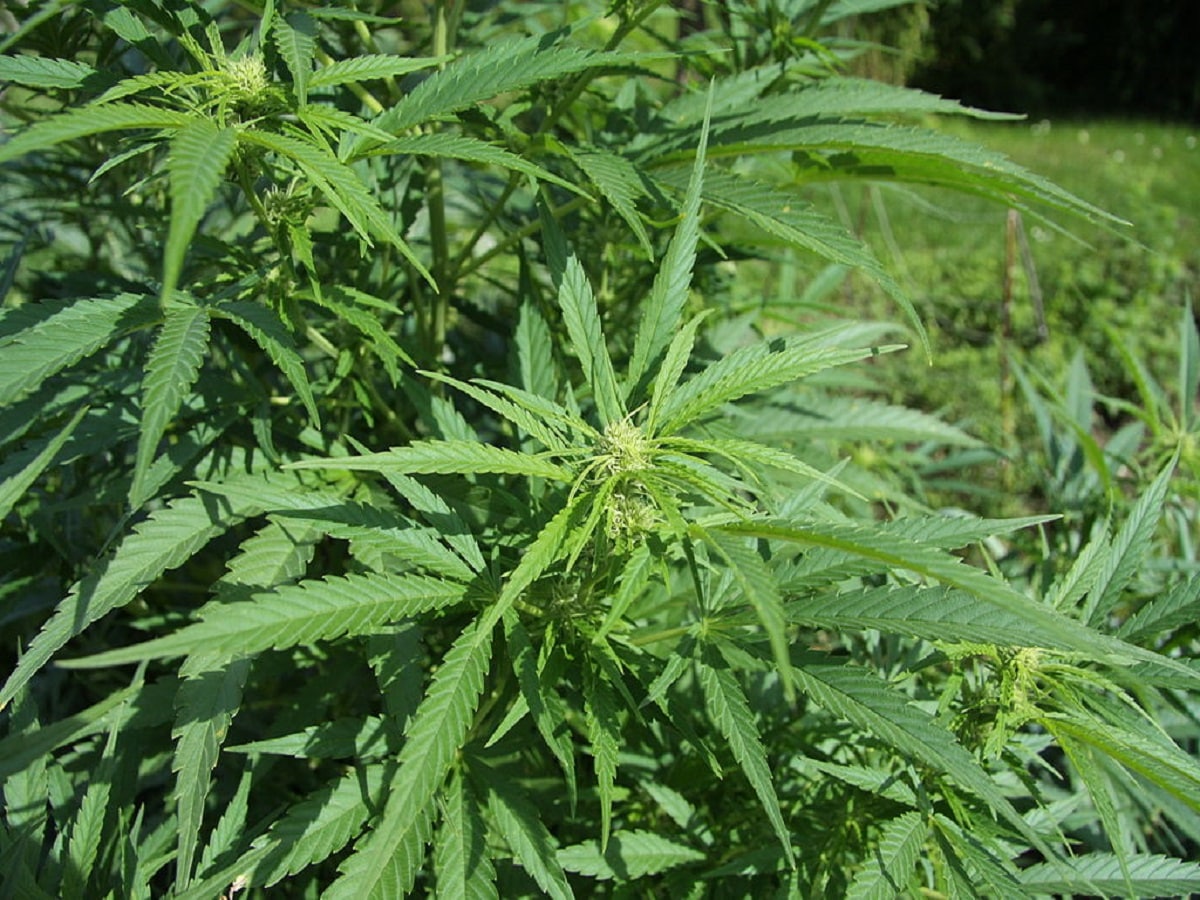
The distinction between hemp and non-hemp cannabis plants was not created by nature. Rather, it was created by governments around the world, with the difference between the two crops being the percentage of tetrahydrocannabinol (THC) contained in the harvests. The THC threshold for hemp and non-hemp varies around the world, from .2% THC to 2% THC.
This approach to hemp and cannabis policy is nonsensical and will always create issues for entrepreneurs, investors, consumers, patients, and governments. Arbitrary hemp THC limits have caused headaches for governments in recent years, and, unfortunately, that will continue to be the case until hemp policy is driven by science and logical reasoning.
Hemp advocates across the globe have pushed for more sensible regulations for decades, with efforts seemingly increasing as the demand for cannabidiol (CBD) and floral hemp products has also increased. Advocates in several jurisdictions have called on their governments to increase the threshold for THC in recent years.
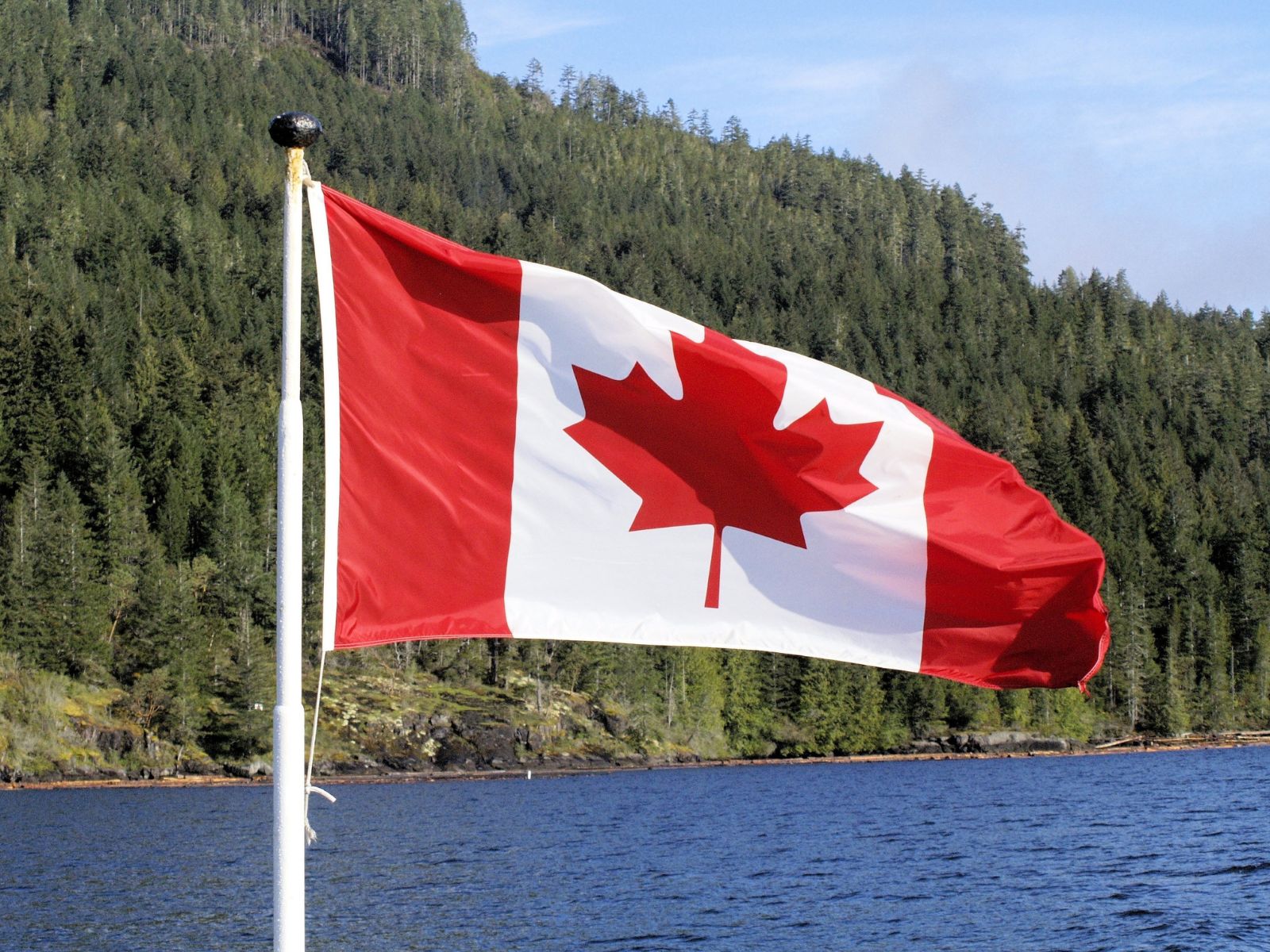
One example can be found in Canada, where the Canadian Hemp Trade Alliance (CHTA) recently called on the nation’s government to raise its THC threshold from the current .3% limit up to 1%.
“Among its most significant recommendations, CHTA called for raising the maximum allowable THC concentration in hemp from 0.3% to 1.0%.” reported Hemp Today in its original coverage. “The group argued that the 0.3% threshold, widely adopted around the world, no longer reflects either scientific understanding or commercial realities. The submission cites Canadian hemp researcher Ernest Small, who originally developed the 0.3% benchmark in the 1970s. Small has always said that limit was arbitrary, and has more recently stated his support for a 1.0% threshold.”
“The industry believes that higher concentration cultivars will primarily be developed for broadacre fibre production (allowing profitable fibre:flower co-harvest) and orchard-style flower production (allowing for economically viable cannabinoid extraction biomass),” CHTA wrote, according to Hemp Today. “Increasing the regulated maximum total available delta-9-THC concentrations (in) industrial hemp plant flowers and leaves of the inflorescence from 0.3% to 1.0% will maintain global competitiveness for the Canadian industrial hemp industry.”
Advocates in New Zealand were able to successfully lobby the nation’s government to raise its THC threshold for hemp, among other meaningful hemp policy reforms. The reforms became effective in recent weeks.
“For the first time in decades, hemp cultivation in New Zealand will move away from a restrictive licensing framework to a far more practical notification-based system, significantly reducing barriers for growers and businesses wanting to participate in the sector. Under the new regulations, individuals and businesses will no longer require a licence to grow hemp. Instead, growers will simply need to notify Police and MPI before cultivation begins.” wrote the New Zealand Hemp Industries Association (NZHIA) in a press release last month.
“These reforms represent one of the most significant advances for New Zealand’s hemp industry in many years. Importantly, the changes help reposition hemp as a legitimate agricultural crop with strong potential across seed, fibre, food, manufacturing, construction, and sustainable bio-product development. These changes help create a stronger platform for future investment, regional development, and industry growth,” NZHIA Chair Richard Barge said.
“The updated regulations allow broader cultivation access and increase the allowable THC threshold for hemp to 1% dry weight of the plant, helping simplify compliance requirements for growers and processors.” NZHIA also wrote. “The reforms allow hemp to be grown anywhere in New Zealand, opening the door for wider agricultural participation and future regional economic opportunities.”
A collection of experts in Brazil is also urging the nation’s government to increase the legal threshold for tetrahydrocannabinol contained in industrial hemp. Currently, the THC threshold for industrial hemp in Brazil is set at 0.3%. South Africa has set the highest THC threshold at 2%. Argentina, Uruguay, and Czechia have all set a 1% threshold, and Paraguay has set a threshold of 0.5%.
In mid-July 2025, a group of Members of the European Parliament (MEPs) announced their plan to push for a hemp legal framework for the European Union. At the time, the German Cannabis Business Association (BvCW) conducted a poll asking what the THC threshold should be for industrial hemp in the EU.
“In our non-representative survey conducted from August 26, 2025, to September 1, 2025, we asked: “How would you rate a Europe-wide limit of 0.3% for the THC content of industrial hemp?”” BvCW stated.
“Forty percent rated 0.3% as much too low, and another 47.5% as rather too low. Thus, 87.5% favored a higher limit. Only 2.5% considered the value just right. None of the respondents considered the limit too high. 10% answered “don’t know.”” stated BvCW about the poll’s results.
A better regulatory concept that was proposed by leading hemp expert Morris Beagle, President of We Are For Better Alternatives, during a panel discussion at the 2025 International Cannabis Business Conference in Berlin, is to enforce a THC limit at the product level.
Rather than place the burden of meeting a THC limit on farmers, which is not an easy standard to meet given all of the variables involved, the burden to meet a THC threshold limit would instead be placed on product makers, which is considerably easier for them to do comparatively.