German Alliance Warns Against Medical Cannabis Flower Changes
Pushback by the medical cannabis community in Germany against a proposal that would eliminate statutory health insurance reimbursements for cannabis flowers continues to grow, with an alliance of professional associations issuing a joint statement after the nation’s federal cabinet approved the harmful proposal this week.
In Germany, where authorized medical cannabis patients can be reimbursed by the nation’s statutory health insurance, medical cannabis flower has historically been a very popular choice among patients. Medical patients receiving reimbursement from the federal government for medical cannabis flowers is a glowing example of how Germany’s medical cannabis model is superior to the models of most other nations. Unfortunately, the Statutory Health Insurance Contribution Rate Stabilization Act would change things.
“The planned new regulation, according to which only cannabis extracts, finished medicinal products, as well as dronabinol and nabilone should remain reimbursable at the expense of statutory health insurance, is assessed by the associations as risky in terms of healthcare policy, legally problematic and not sustainable from a health economics perspective.” wrote the German Cannabis Industry Association (BvCW) in its newsletter this week (translated from German to English). BvCW was one of the five associations issuing the joint statement.
“The entitlement under Section 31 Paragraph 6 of the German Social Code, Book V (SGB V) is already strictly limited. Cannabis-based medicines are prescribed exclusively for serious illnesses and only when recognized standard therapies are unavailable or ineffective or not tolerated in individual cases. The planned elimination of this provision would therefore not affect a broad group of insured individuals, but rather specifically target particularly vulnerable, chronically seriously ill, and sometimes palliative care patients.” BvCW also wrote.
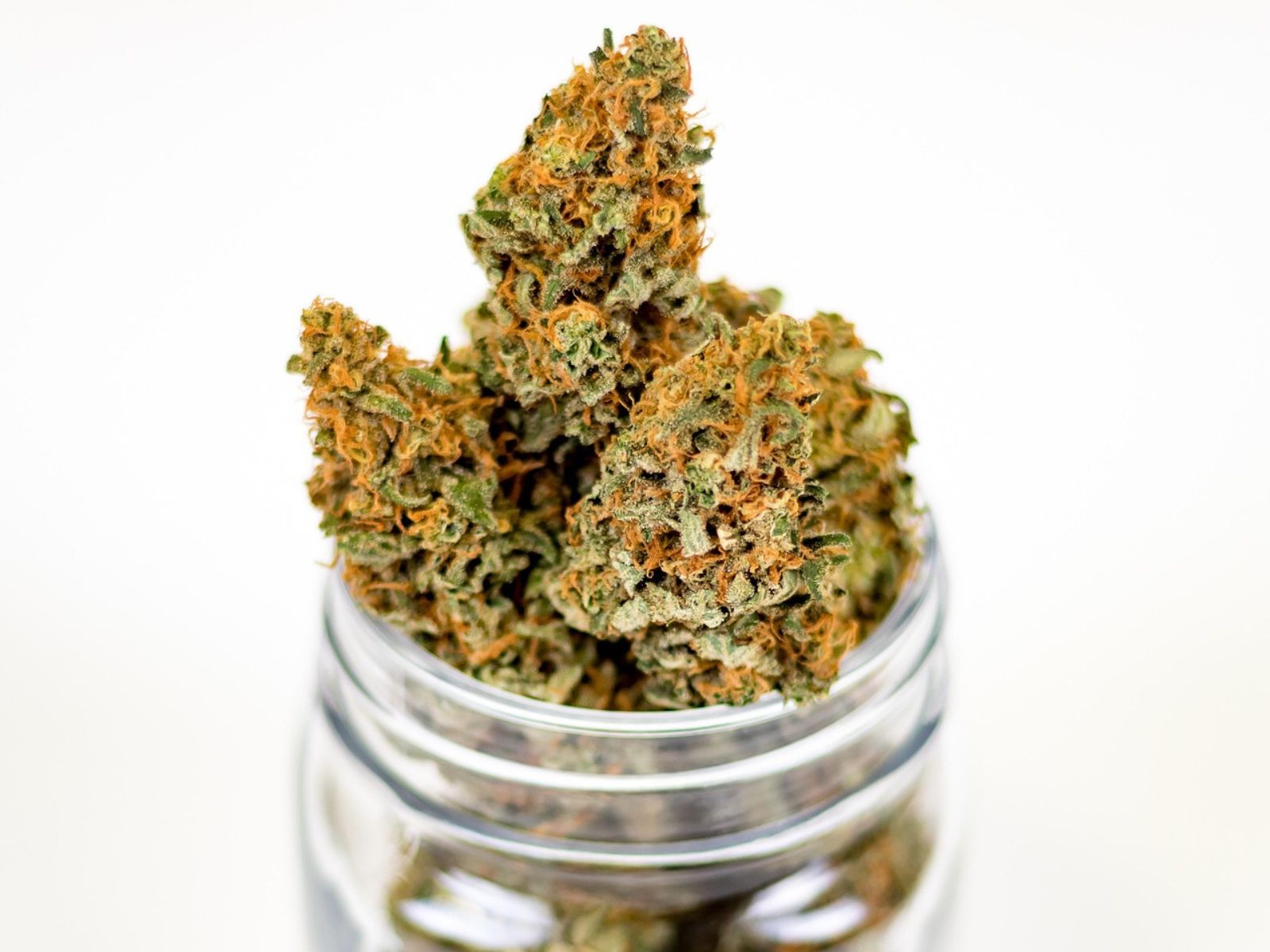
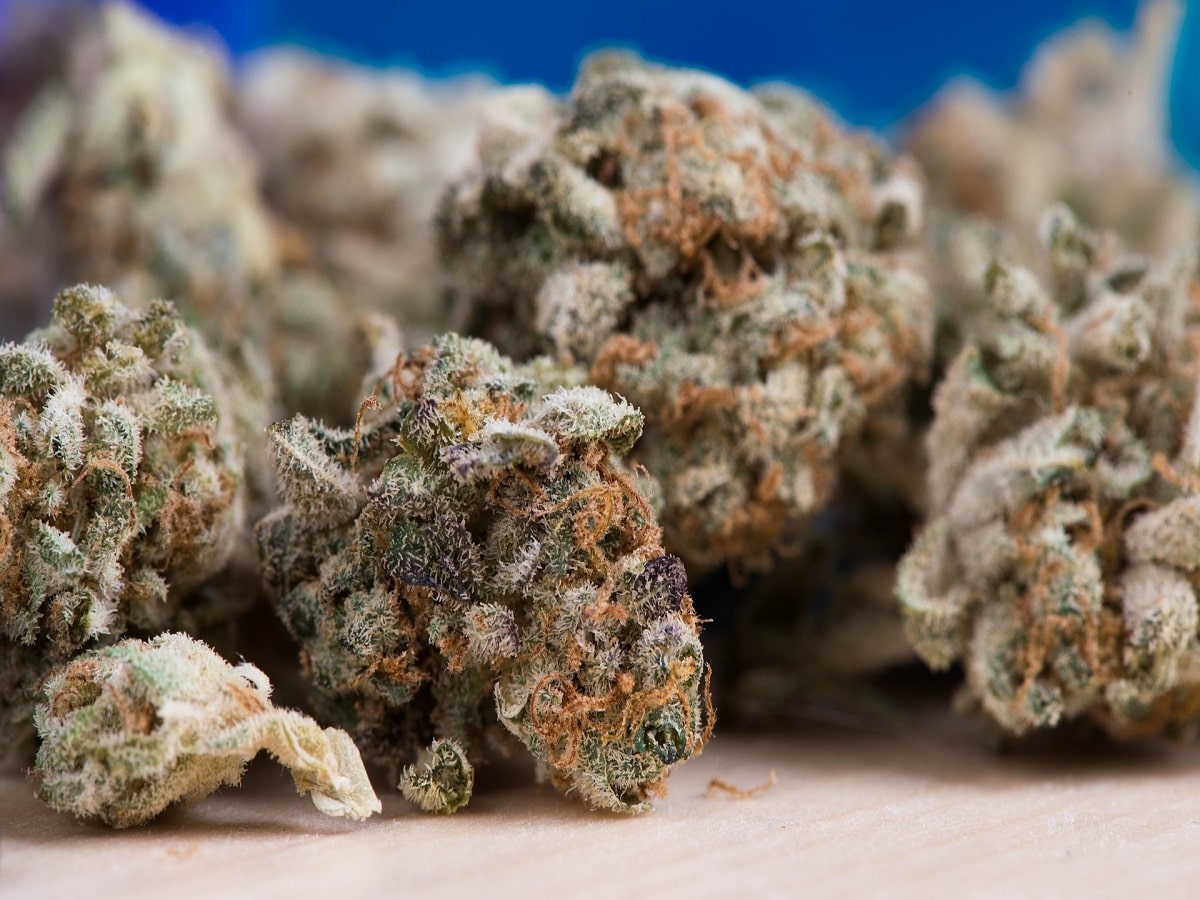
Cannabis flower provides patients with several advantages over other product forms. For starters, the effects of inhaling combusted or vaporized cannabis flower are felt faster compared to when patients use topicals or edibles. For patients who need quick relief, that is a very important benefit to consider.
The effects of inhaled cannabis smoke or vapor are easier for patients to gauge compared to, say, consuming edibles. If a patient doesn’t feel the effects at a level that they desire, they can inhale more cannabis until they get to where they want to be. Conversely, if they feel that they have consumed too much, they can back off, and the effects start to reduce (typically) within tens of minutes.
Comparatively, if a patient eats an edible or an extract-based product, it typically takes 45 to 90 minutes for the effects to be felt because it goes through the patient’s digestive system instead of their nervous system. If the effects are too great, the patient has to endure them for hours until they subside.
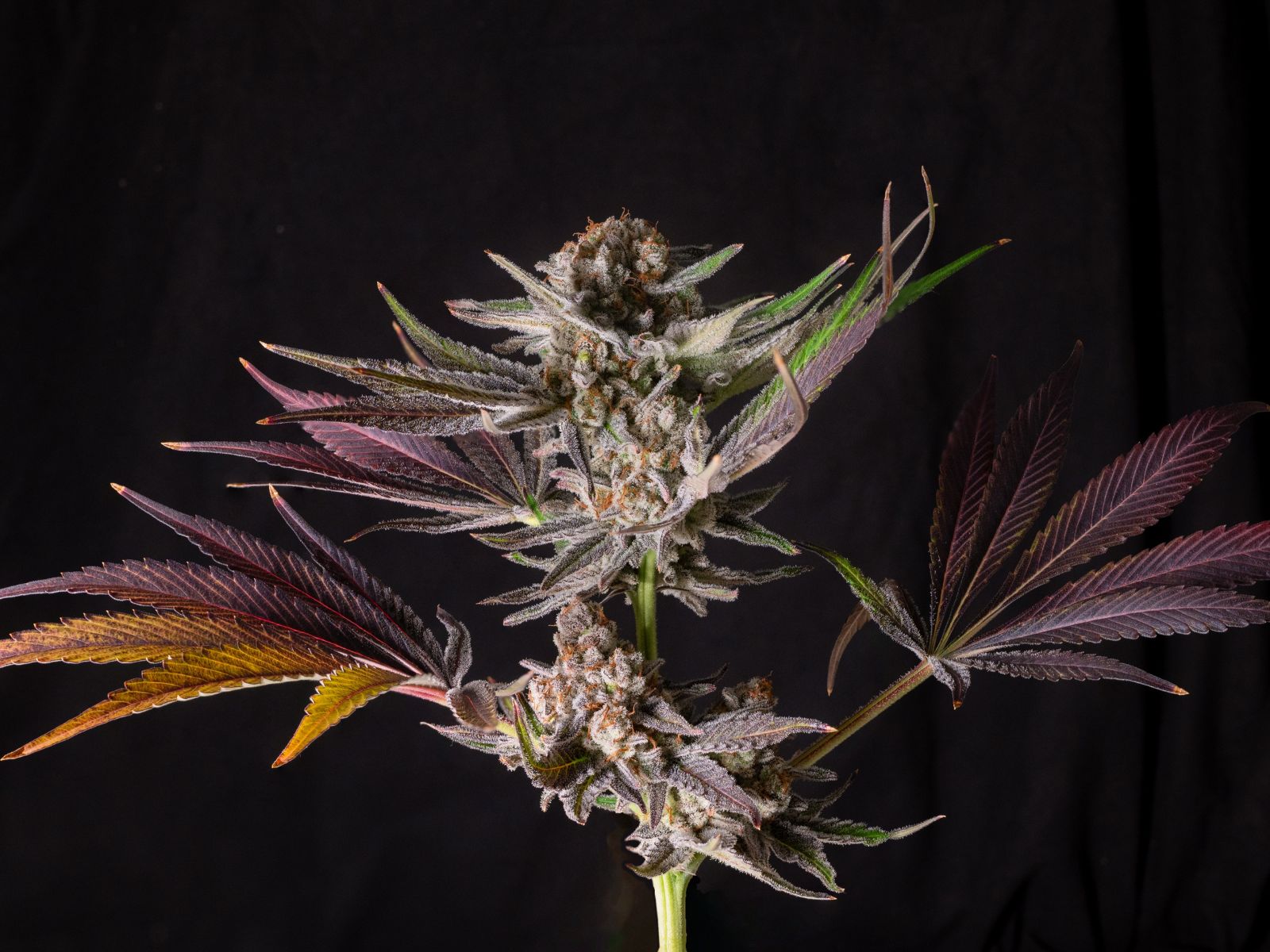
Cannabis flower is the most versatile form of cannabis because it can be made into other forms. For some patients, using cannabis flower to make their own edibles, tinctures, or other products is preferred. Hindering safe access to cannabis flower by prohibiting reimbursements for it in Germany negatively impacts patients, while at the same time, it will boost the unregulated market as patients seek out other options.
“For many seriously ill patients, cannabis flowers are not a ‘lifestyle product,’ but the therapy that allows them any semblance of quality of life. Removing this option from reimbursement not only deprives those affected of a medicine, but also forces them either to discontinue therapy or to pay out of pocket – for many, simply not a realistic alternative,” emphasizes Daniela Joachim, representing cannabis patients in the German Association of Cannabis Patients (BDCan).
“For a significant portion of patients, cannabis flowers are medically irreplaceable by oral medications. Especially in cases of acute pain or spasticity, rapid onset of action is crucial. Eliminating them would worsen care – without any added medical benefit,” criticizes Dr. Franjo Grotenhermen, Chairman of the Board of the Working Group Cannabis as Medicine (ACM).
“The planned regulation assumes a therapeutic interchangeability that is neither evidence-based nor legally tenable. It contradicts the intention of Section 31 Paragraph 6 of the German Social Code, Book V (SGB V) and the rulings of the highest courts,” states Antonia Menzel, Chairwoman of the Board of the Federal Association of Pharmaceutical Cannabinoid Companies (BPC).
“The supply of medical cannabis flowers is currently handled through established, highly qualified pharmacy structures with specific quality, documentation, and consultation processes. These structures have been built up over years and ensure responsible, controlled, and professional care. Their de facto devaluation through a blanket exclusion of services is short-sighted from a health policy perspective,” explains Dr. Christiane Neubaur, Managing Director of the Association of Cannabis-Dispensing Pharmacies (VCA).
One of the major ‘justifications’ for the Statutory Health Insurance Contribution Rate Stabilization Act offered up by its supporters is that it would allegedly result in savings to Germany’s government. However, medical cannabis advocates are pointing out flaws in such claims.
“The claimed potential for savings is not methodologically sound. In reality, there is a risk of cost shifting, treatment discontinuations and new risks – at the expense of patients and ultimately at the expense of the healthcare system,” warns Dirk Heitepriem, President of the German Cannabis Industry Association.
“Based on the actual THC content, to which prescriptions are typically standardized, cannabis flowers are the most cost-effective cannabis medication. The same prescribed amount of THC therefore costs health insurers more in the form of extracts or pure dronabinol preparations than in the form of cannabis flowers.” Georg Wurth of the German Hemp Association previously pointed out. “Inhalation must remain a method of application.”
Suffering patients in Germany deserve to have public policies based on science and compassion, and not on the whims and political opinions of cannabis opponents. They deserve to have as many options as possible so that they can determine, with the guidance of their doctor(s), which cannabis therapies are the best for their situations.