Morocco’s Cannabis Industry Experienced A “Qualitative Leap” In 2025

Morocco is one of the world’s largest producers of cannabis, albeit historically in an unregulated manner. However, in recent years Morocco has worked to modernize its cannabis policies and afford the nation’s farmers a path to cultivate cannabis legally. Many farmers in the country have made the transition.
“Speaking to the Moroccan News Agency (MAP), the agency’s Director General Mohamed El Guerrouj said total production of dried cannabis reached 19,576 quintals in 2025, up from 18,810 quintals in 2024. This increase reflects what he described as a “qualitative leap” in the sector’s development.” reports Morocco World News in its local reporting.
“The agency issued 4,147 new licenses last year, bringing the total number of active permits to 5,765 for the 2025 season. Most of these licenses, 5,492, were for cultivation, benefiting 5,318 farmers. The remaining 273 licenses covered processing, marketing, export, seed import, and transport activities, involving 183 operators.” the outlet also reported.
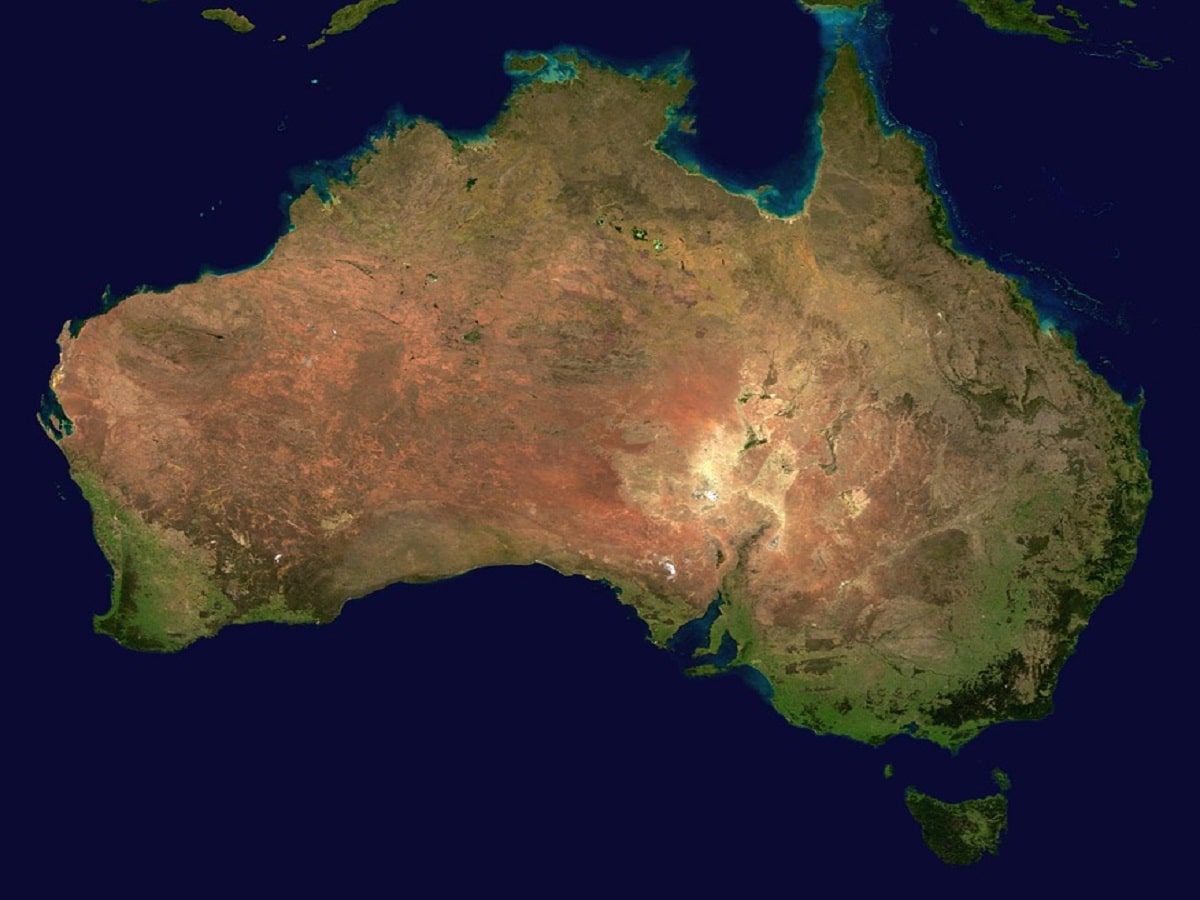
In late 2025, the Moroccan Agency for Medicines and Health Products (AMMPS) approved 67 cannabis-derived products for marketing authorization, including 26 cosmetics and 41 food supplements. Additionally, in August 2025, Morocco’s legal cannabis industry completed its first export of medical cannabis products to Australia.
Morocco has climate conditions favorable to large-scale cannabis production. A study conducted in Morocco found that the Baldiya cannabis strain exhibits a high level of chemical stability. The study was conducted by researchers affiliated with various academic institutions in Morocco, and its findings were published in the journal Food Chemistry Advances.
“In this study, a comprehensive analysis of Cannabis sativa L. cultivars was conducted, focusing on the phytocannabinoid profiles of resin from one local cultivar ‘Beldiya’ and four exotic cultivars over three consecutive crop years.” stated the researchers about the focus of their investigation.
“The cannabinoid composition of the resin from the studied cultivars was analyzed using liquid chromatography-mass spectrometry coupled with a triple-stage quadrupole mass spectrometer (LC-MS/TSQ Endura) to evaluate the chemical variability in phytocannabinoid compounds among the cultivars and across the harvest years.” the researchers wrote about their methodology.
“The results showed significant chemical polymorphism among the studied cultivars, with the clustering of phytocannabinoids, indicating three distinct chemical groups based on the concentrations of the major cannabinoids.” the researchers concluded. “In addition, only the local Northern Moroccan cultivar Beldiya demonstrated chemical stability across the three harvest years, whereas the exotic cultivars exhibited heterogeneity from one year to another.”