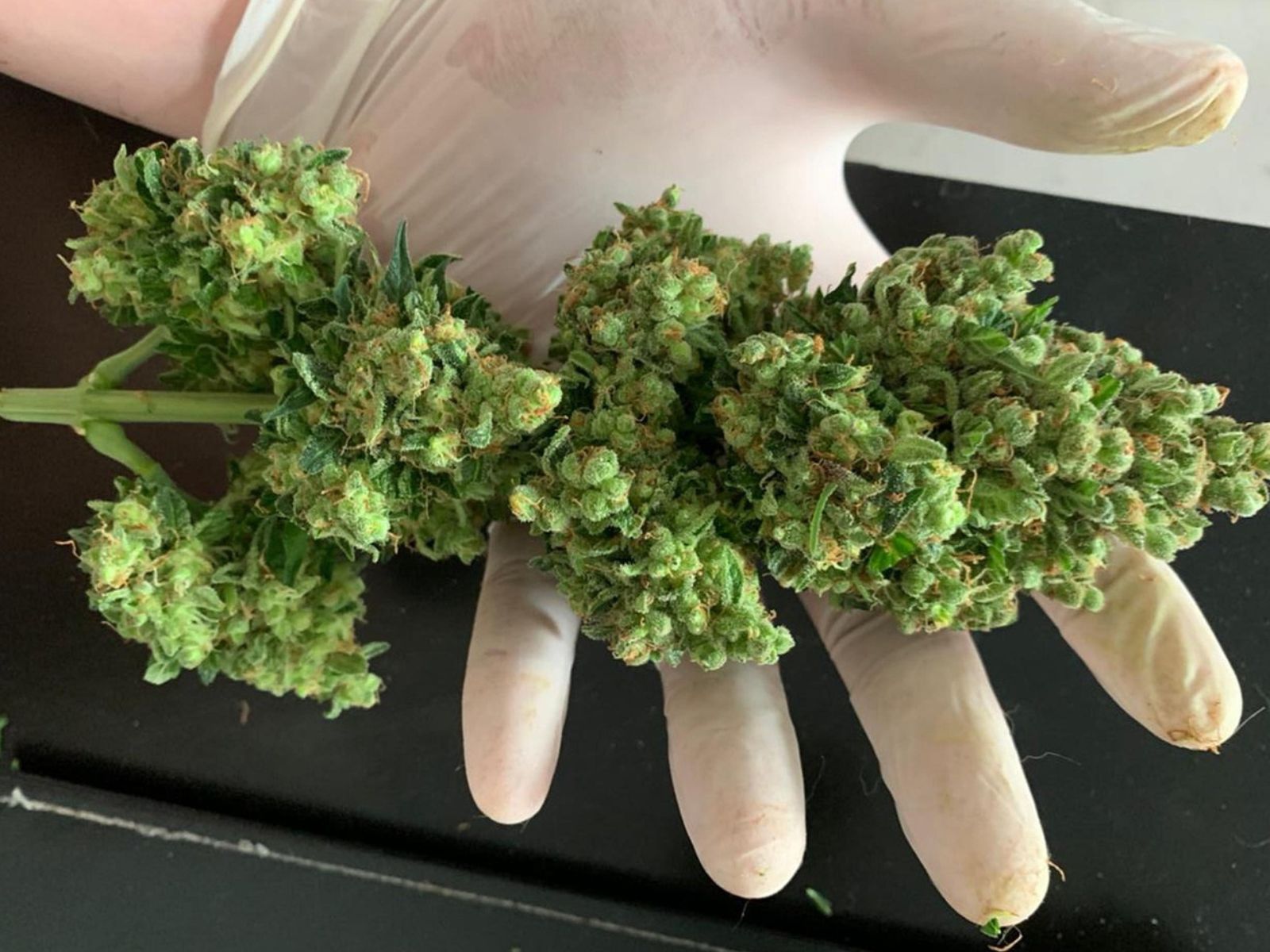
Uruguay’s Legal Cannabis Industry Continues To Erode Unregulated Market
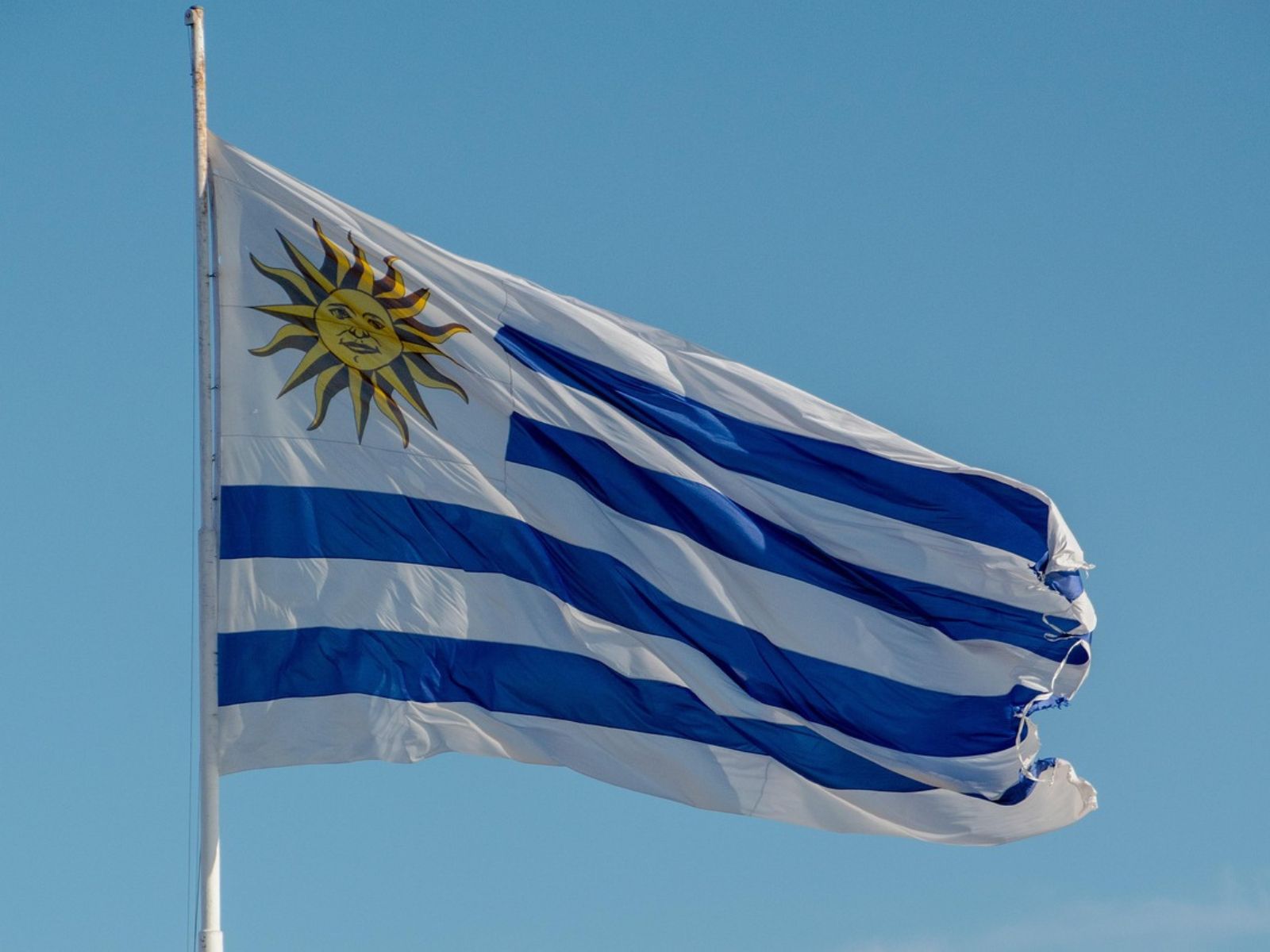
Uruguay is a global cannabis industry trend setter, having become the first country to legalize cannabis for adult use at a national level back in 2013. Unlike some of the other countries that have since adopted national recreational legalization measures, Uruguay permits legal cannabis sales through registered pharmacies to residents, in addition to allowing home cultivation and the operation of cultivation associations.
The only other nation on the planet right now to also permit nationwide adult-use cannabis sales is Canada. Both countries serve as top jurisdictions for ongoing social science research efforts, particularly because their legalized commerce models differ in some key aspects.
In addition to limiting legal sales to residents, Uruguay also makes consumers choose between one of three channels to source cannabis legally: home cultivation, cultivation associations, or making legal purchases through pharmacies.
For cannabis pharmacy purchases specifically, which officially launched in 2017, product selection is currently limited to four options. Originally, only two strains were approved to be sold through pharmacies, but that has since expanded to four strains.
The first two strains sold in pharmacies were ‘Alpha’ and ‘Beta’, each with tetrahydrocannabinol (THC) levels equal to or less than 9%, and cannabidiol (CBD) levels equal to or less than 3%. Then, in 2022, Uruguay permitted a third option, ‘Gamma,’ which has a THC level of equal to or less than 15%, and CBD levels of equal to or less than 1%. The ‘Epsilon’ strain, which has a THC content of equal to or less than 20% and a CBD content of equal to or less than 1%, was approved in late 2024.
In theory, Uruguay’s approach to legal commerce helps keep prices low, and with it, helps undermine the nation’s unregulated market. Recently published research findings are shedding new light on how Uruguay’s battle against the unregulated market is going.
“The second official evaluation of Law 19.172, released by Uruguay’s National Drug Board, maintains that the regulated cannabis market now formally reaches 46.7% of consumers, has reduced the presence of illegal pressed marijuana from 58.2% in 2014 to 6.7% in 2024, and shows no significant negative health impacts attributable to regulation.” reported Cañamo in its original coverage (translated from Spanish to English). “However, almost 30% of access continues to operate in a gray market that has not yet been fully absorbed.”
As of last month, the prices that the government sets for the different pharmacy strain options went up by a marginal amount.
“With the new values, the Alpha variety went from $480 to $485; Beta from $500 to $505; Gamma from $560 to $565; and Epsilon from $610 to $615.” reported San Jose Ahora in its local coverage at the time (translated from Spanish to English).
“The IRCCA system automatically verifies that the limits established by current regulations are not exceeded: up to 10 grams in the last seven days, 40 grams in the last 30 days, and 480 grams in a 12-month period.” the outlet also reported.
It was not the first time that the government raised prices for legal cannabis flower sold through Uruguayan pharmacies. Back in August 2025, the Institute for the Regulation and Control of Cannabis (IRCCA) raised prices on the four approved strains by $10. If Uruguay’s legal industry is going to make further progress in combating the unregulated market, consumers will need access to more options than what is currently available.