Project Indlela Proposes Solutions For South Africa’s Cannabis Industry
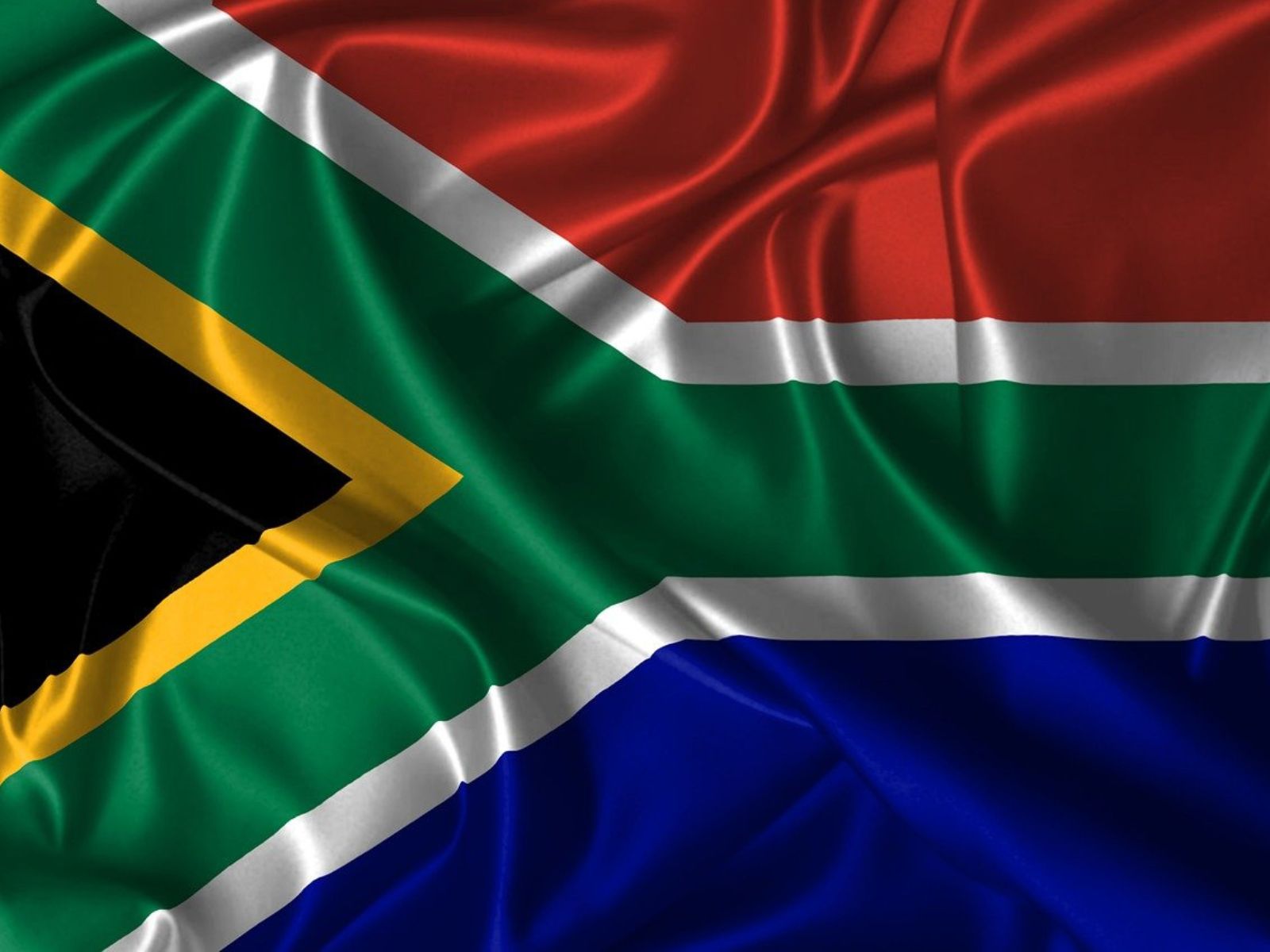
By many measures, South Africa is poised to become one of the world’s top legal adult-use cannabis markets once sensible policies and regulations are implemented. In 2024, South Africa’s President Cyril Ramaphosa signed a measure that legalized cannabis for adult use, but finalized regulations have proven elusive so far.
“President Cyril Ramaphosa has signed into law the Cannabis for Private Purposes Act (“CfPPA”). The CfPPA regulates the cultivation, possession, and use of cannabis by adults in a private setting.” The President’s office stated in a press release at the time.
“The consequent regulatory reform enabled by the CfPPA will, amongst others, entirely remove cannabis from the Drugs and Drug Trafficking Act. This will further enable amendment of the Schedules to the Medicines and Related Substances Act and provide for targeted regulatory reform of the Plant Breeders Rights Act and the Plant Improvement Act, as well as other pieces of legislation that require amendment to allow for the industrialisation of the cannabis sector.” the press release also stated.
As alluded to in the 2024 press release, additional steps need to be taken to further develop the proper rules and regulations for legal adult-use cannabis sales and other industry activity to officially launch on a nationwide scale.
The South African Cannabis Club Alliance (SACCA), which advocates for approving sensible industry regulations, describes itself as “a community-driven, open-source initiative created by and for Cannabis Clubs across South Africa” to “amplify the collective voice of the Cannabis Club community and to advocate for a clear, fair, and inclusive regulatory future.”
“The South African Cannabis Club Alliance (SACCA) has announced that key cannabis stakeholders have united to present a solution to the legal cannabis conundrum facing South Africa as the country moves towards adopting a commercialisation framework. The Project Indlela plan seeks to incorporate legacy growers, cannabis clubs and government into a regional hub model that allows trade in cannabis while protecting consumer safety.” reported Cannabiz Africa in its recent local coverage.
“Project Indlela, (Indlela means the way forward in isiXhosa), the unifying project initiated by SACCA has proposed practical solutions to three critical regulatory gaps that remain unresolved in the development of the National Cannabis Master Plan,” the outlet also reported.
Those regulatory gaps revolve around providing viable paths for legacy cannabis entities, ensuring that the safety of cannabis consumers and other members of society are prioritized, and accommodating “traditional healers and growers” through an equitable approach to licensing.
“Project Indlela serves as a collective policy and legislative framework to guide South Africa’s transition toward a formalised, rights-based, and community-empowering cannabis economy. It builds upon SACCA’s earlier Policy Proposal for the Legal Recognition and Regulation of Private Cannabis Clubs (PCCs) — expanding its scope to include national economic inclusion, descheduling, and sustainable regional development.” SACCA wrote in a news release last month. The news release outlined 4 key outcomes for Project Indlela:
1. Legislative Reform Direction
Deschedule cannabis from the Medicines and Related Substances Act (Act 101 of 1965) and the Drugs and Drug Trafficking Act (Act 140 of 1992). Amend the Cannabis for Private Purposes Act (2024) to formally recognise Private Cannabis Clubs, cultivators, and dispensaries as lawful, regulated entities. Introduce the Cannabis Regulation and Economic Inclusion Act (2025) — establishing a Cannabis Regulatory Authority (CRA) under the Department of Trade, Industry and Competition (DTIC).
2. Inclusive and Tiered Framework
Adopt a three-tier system (GACP-Light, GMP-Light, Full GMP) to ensure participation from all scales — traditional growers, cooperatives, and commercial enterprises. Develop Regional Processing Hubs and a National Cannabis Development Fund to support compliance, testing, and rural economic upliftment.
3. Constitutional and Economic Foundations
Fully aligned with Prince v Minister of Justice (2018) and the constitutional rights to privacy, association, and freedom of trade. Designed to generate sustainable jobs, encourage local beneficiation, and create lawful municipal revenue streams through transparent taxation.
4. International and Scientific Legitimacy
Provides a treaty-compliant model through an Interpretive Declaration under the UN Single Convention on Narcotic Drugs (1961). Positions South Africa as a global leader in responsible African cannabis reform, integrating both indigenous knowledge systems and modern scientific standards.
How long it will take for South Africa’s government to finally get the nation’s adult-use cannabis industry off the ground in a meaningful, profitable way is still unclear, unfortunately. The industry’s launch has clearly taken longer than it should have. South Africa’s cannabis industry deserves to take its rightful place as a global cannabis industry powerhouse, and for the nation’s economy to reap the benefits that come with it.