Study Finds “No Effects” After German Cannabis Legalization
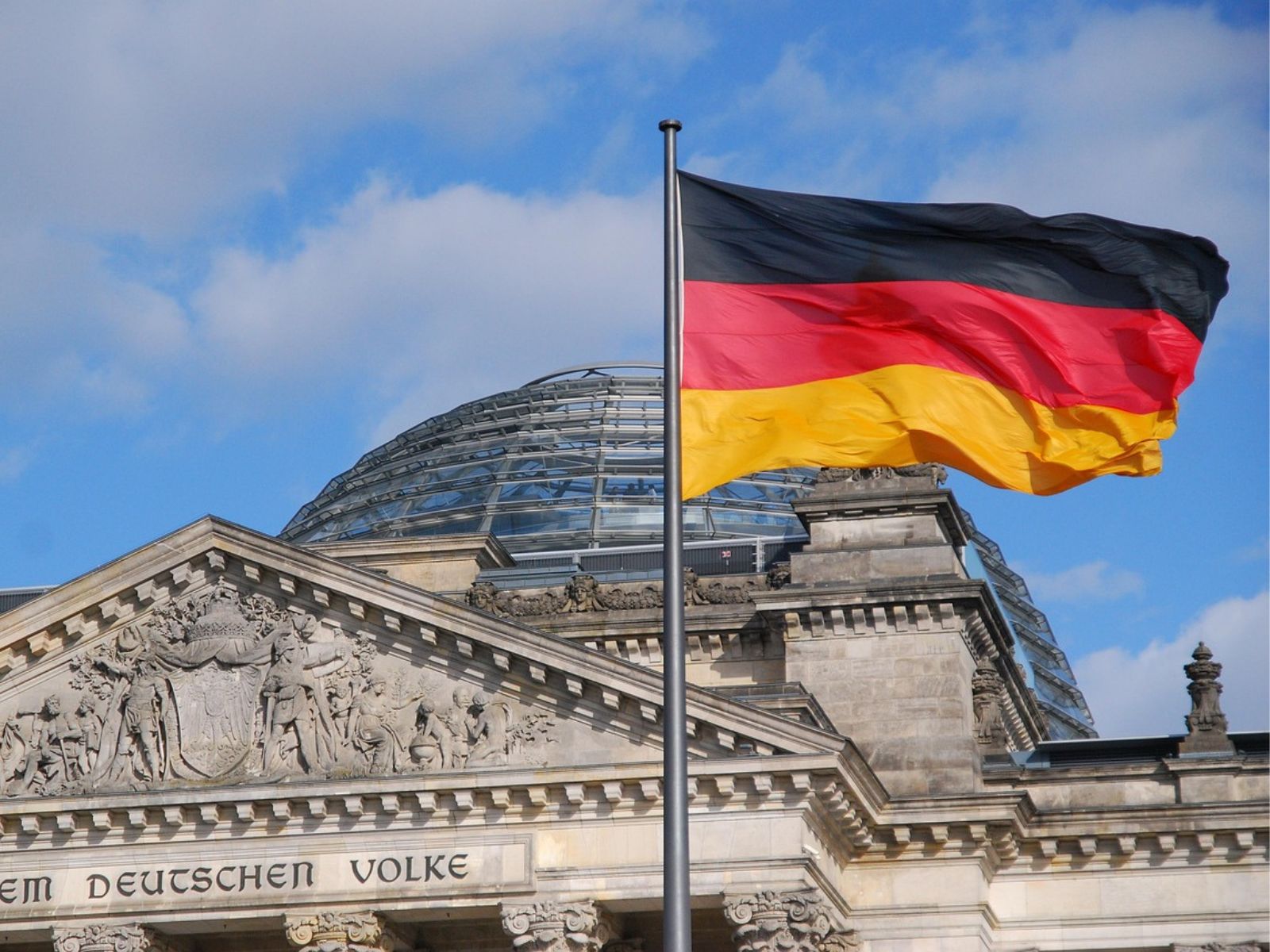
Germany implemented the first provisions of its historic CanG adult-use cannabis legalization measure in April 2024. Initially, Germany approved adults to cultivate, possess, and consume personal amounts of cannabis. Then, beginning in July 2024, adults could apply to launch a cultivation association.
Every step of the way toward German legalization and implementation, cannabis opponents inside and outside of the government predicted that the sky would metaphorically fall, that youth consumption would increase exponentially, and that there would be terror on the roadways due to a stoned driver epidemic. Fortunately, that did not happen, as demonstrated by the results of a recent study.
“Researchers at the University Medical Center Hamburg-Eppendorf (UKE) investigated the short-term effects of the partial legalization of cannabis for adults in Germany and found no significant changes compared to the period before the law was amended.” the researchers stated in a press release (translated from German to English). “The study was based on data from a population survey conducted in Germany and Austria before and after partial legalization, although cannabis possession remains illegal in Austria.”
“According to the study, cannabis use among 18- to 64-year-olds in Germany increased from 12.1 to 14.4 percent; the increase was comparable in Austria despite the prohibition. Among people who consumed cannabis at least once a month, slightly fewer people in Germany drove under the influence of cannabis than before legalization came into effect and before a new blood THC (tetrahydrocannabinol) limit was established for driving – here, too, the researchers found no significant difference compared to Austria.” the researchers found.
“Eight months after legalisation, no significant short-term effects on cannabis use or DUIC were observed. DUIC(+), associated with higher traffic risk, was most common among weekly users. A comprehensive evaluation of the cannabis reform requires further monitoring of DUIC and traffic data.” the researchers concluded. The study’s findings were published in the journal The Lancet Regional Health – Europe.
The UKE study’s findings build on previously published findings by the EKOCAN research project, which is funded by the Federal Ministry of Health (BMG). EKOCAN focuses on three areas of evaluation:
- Child and youth protection
- General health protection
- Cannabis-related crime
EKOCAN published its highly anticipated initial findings late last year. By many measures, the findings demonstrated that things are going well from the perspective of the three areas of evaluation listed above.
“First-time cannabis use among young people is declining for the first time since 2002, and consumption among young people has continued to decline since 2019.” stated the German Cannabis Business Association (translated from German to English) at the time. “The BvCW sees this as confirmation of the effectiveness of the increased educational and prevention programs.”
“The data show no significant increase in cannabis consumption among the general population. Consumers can now access safe products, which strengthens health protection. In addition, low-threshold services such as drug checking also contribute to harm reduction.” BvCW also stated.
“Cannabis-related offenses were halved – over 100,000 cases were saved annually, freeing up police and judicial resources to combat organized crime.” BvCW wrote regarding the third area of EKOCAN’s evaluation.
“The data show the first positive effects of partial legalization. They confirm that education, prevention, and secure sources of supply are key factors in reducing risks and pushing back the black market. Next, we need to reduce the bureaucracy of cultivation associations and establish scientific model projects for regulated distribution.” Michael Greif, Managing Director of the BvCW, added.