Morocco Approves CBD Poultry Feed Study
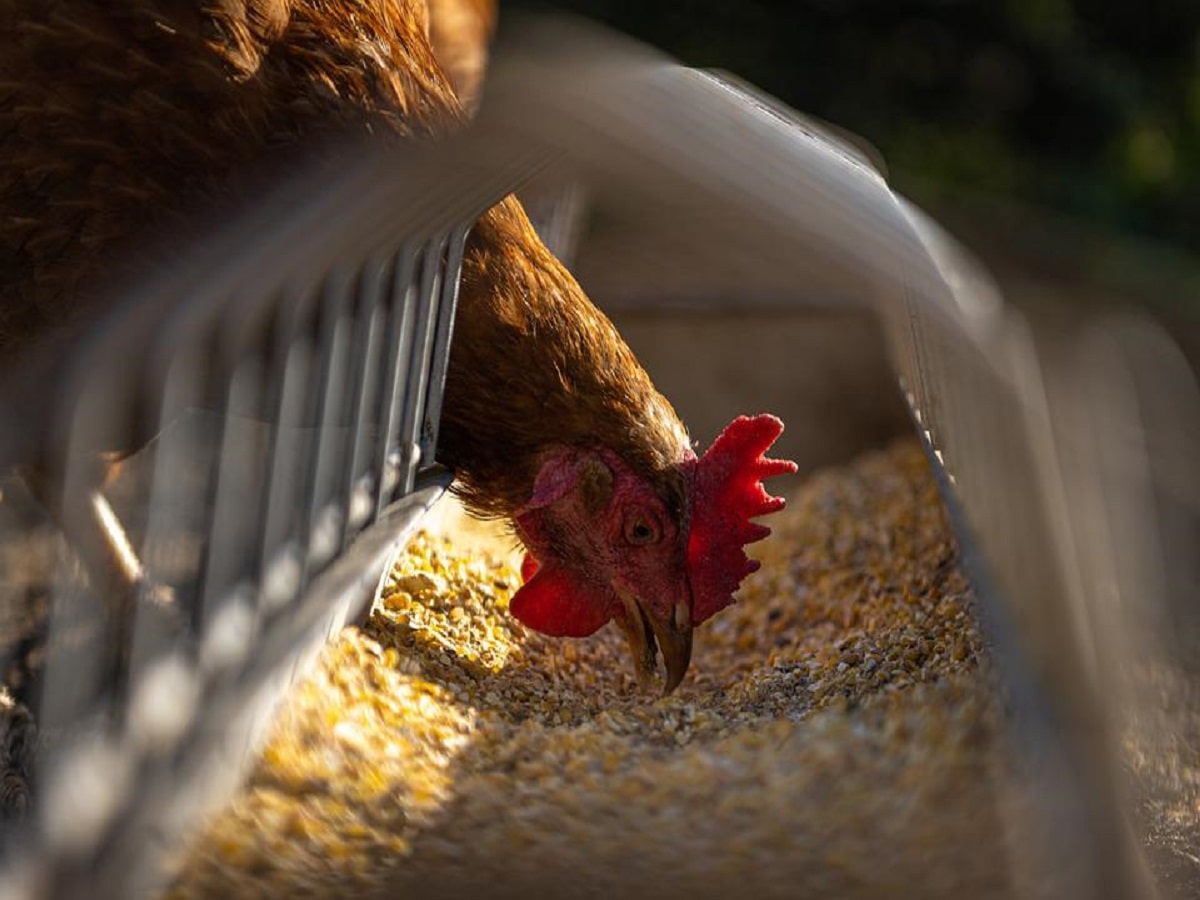
Much of the focus on cannabis research in recent decades has been on how the plant and its derivatives can benefit humans, and understandably so. However, another area of increasing interest among scientific researchers focuses on how the cannabis plant can be harnessed to benefit animals.
A recent example can be found in Morocco, where government regulators have approved a study that will examine whether cannabidiol (CBD) can be a safe and effective additive to chicken feed. If the study proves to be successful, it could be a game-changer for the poultry industry in Morocco and beyond.
“The National Agency for the Regulation of Cannabis Related Activities has signed an agreement with the Hassan II Institute of Agronomy and Veterinary Medicine to study the effects of cannabidiol, or CBD, on poultry immunity and antimicrobial protection.” reported Hespress in its coverage. “The 10 month program will aim to develop a CBD based feed formulation suitable for industrial use.”
“Officials say the research is designed to support a gradual shift away from growth stimulating antibiotics, whose use is tightly regulated in Morocco amid food safety concerns. Researchers will also assess the economic impact of CBD additives on farm profitability.” the outlet also reported.
The effort in Morocco is not necessarily the first of its kind. Researchers affiliated with various academic institutions in Thailand previously conducted a separate study in which they examined the effects of adding cannabis sativa ‘residues’ (CR) to the feed of broiler chickens. The specific focus of that research was to see if adding cannabis to feed impacted the growth and meat characteristics of the broiler chickens.
“The results showed that while CR supplementation did not impact growth performance, it improved meat quality by reducing fat content and enhancing umami flavor through elevated free amino acid levels, thereby increasing the overall nutritional value of the meat.” the researchers in Thailand determined.
“CR significantly reduced C12:0, C20:1n9, and C22:1n9 fatty acids (p < 0.05) while increasing free amino acids, including aspartic acid, serine, proline, methionine, and phenylalanine (p < 0.05). It also increased moisture content and decreased fat content, especially at 2% CR (p < 0.05).” the researchers added. “In conclusion, CR supplementation improves the flavor and nutritional value of broiler meat and is a potential alternative to conventional feed additives.”