Nepal MP Urges Government To Modernize Cannabis Policies
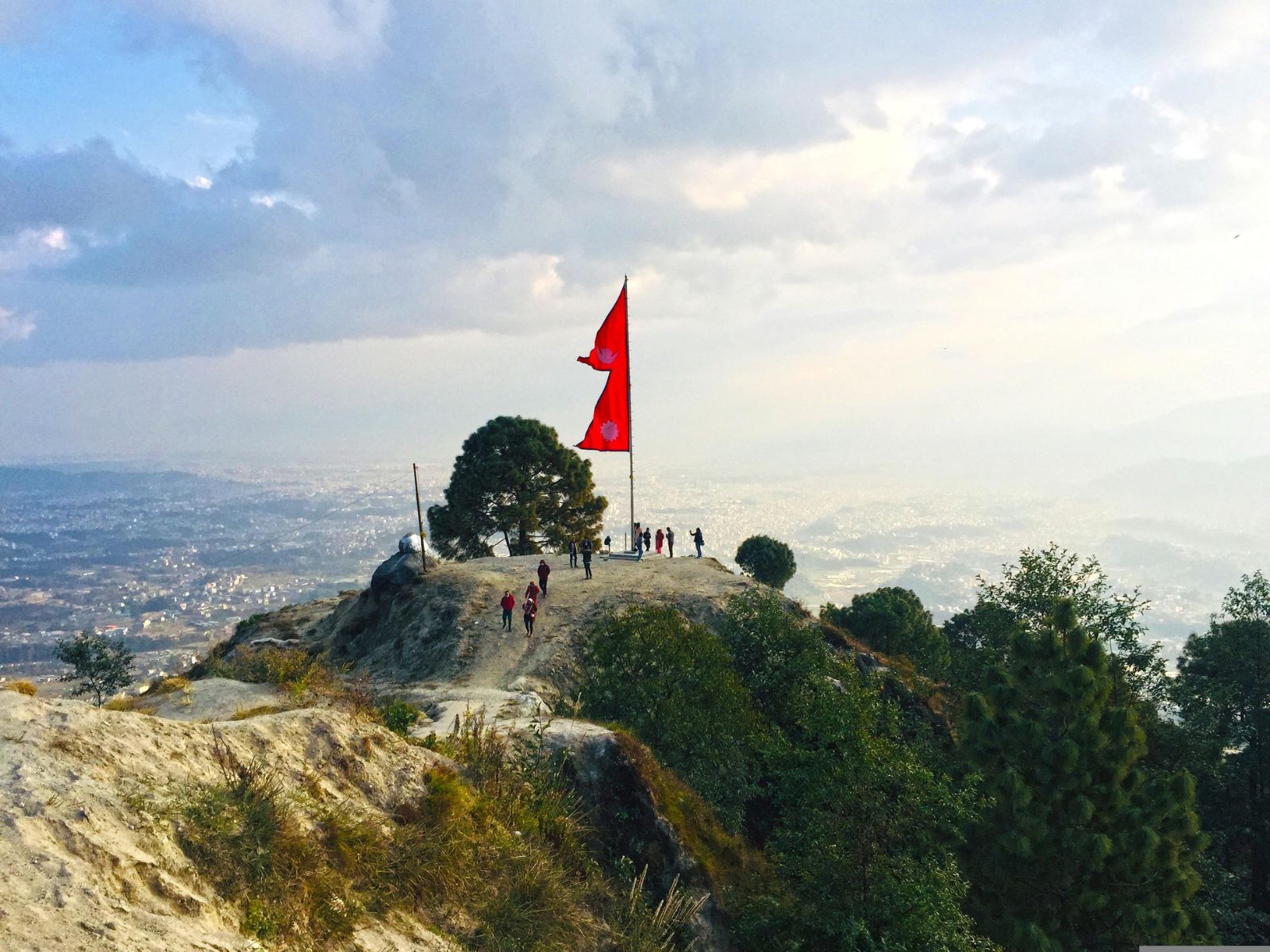
During the Shivaratri festival in Nepal, one of the nation’s largest annual Hindu festivals, it is common for people to be seen consuming cannabis despite cannabis being illegal in Nepal since 1976. Cannabis possession and use are prohibited in Nepal and can result in incarceration, with people caught trafficking cannabis receiving much harsher prison sentences.
In recent years, countries all over the globe have worked to modernize their cannabis laws and regulations to permit various levels of commerce, particularly medical cannabis commerce. A laundry list of nations have successfully transitioned away from full cannabis prohibition to a regulated system. If an MP in Nepal has their way, the Asian country will join that list.
“Rastriya Swatantra Party (RSP) MP Parasmani Gelal has demanded that the government immediately adopt a policy to utilize marijuana to boost the country’s economy.” reported Ratopati. “Speaking at the House of Representatives meeting on Wednesday, he alerted the government to bring necessary policies to stop the exodus of youth through the use of marijuana, boost the country’s economy, and create self-employment opportunities.”
“Marijuana should not be seen only as a narcotic substance and intoxication. It can also be used as a raw material for medicine, clothing, paper, oil, bioplastics, and construction materials. Many countries around the world, including the USA, Canada, Australia, France, Germany, China, and India, are building economies worth billions through scientific and systematic management.” MP Gelal stated, according to the outlet.
Nepal’s economy is heavily dependent on the national agricultural sector, which is estimated to employ roughly two-thirds of the population and generate around one-third of Nepal’s GDP. Nepal’s nominal GDP ranks 99th globally among all world economies. The nation has a long and rich history with the cannabis plant, and it deserves to take its rightful place in the emerging international cannabis industry.