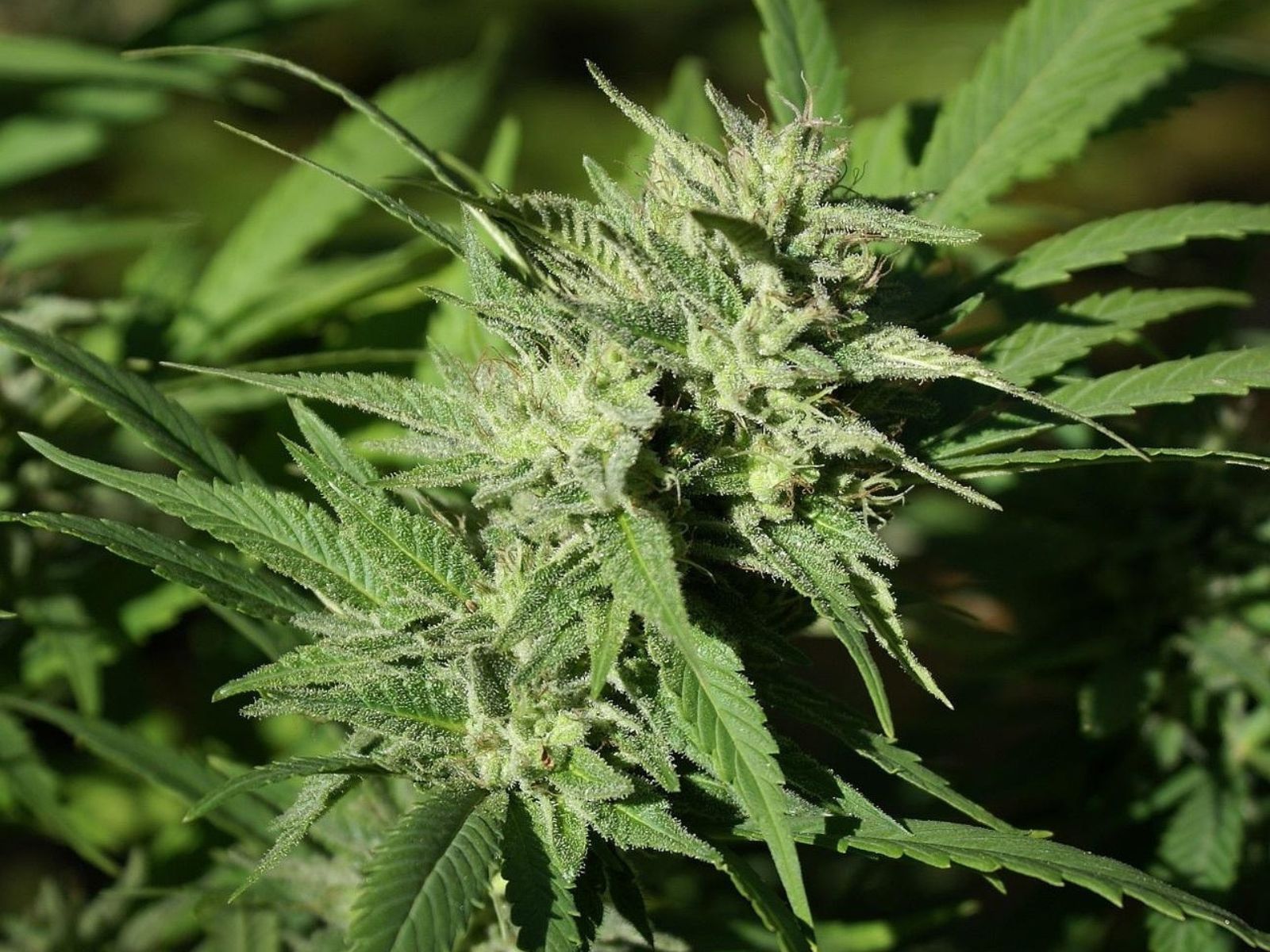
Canadian Study Finds Cannabis May Reduce Alcohol-Related Harms
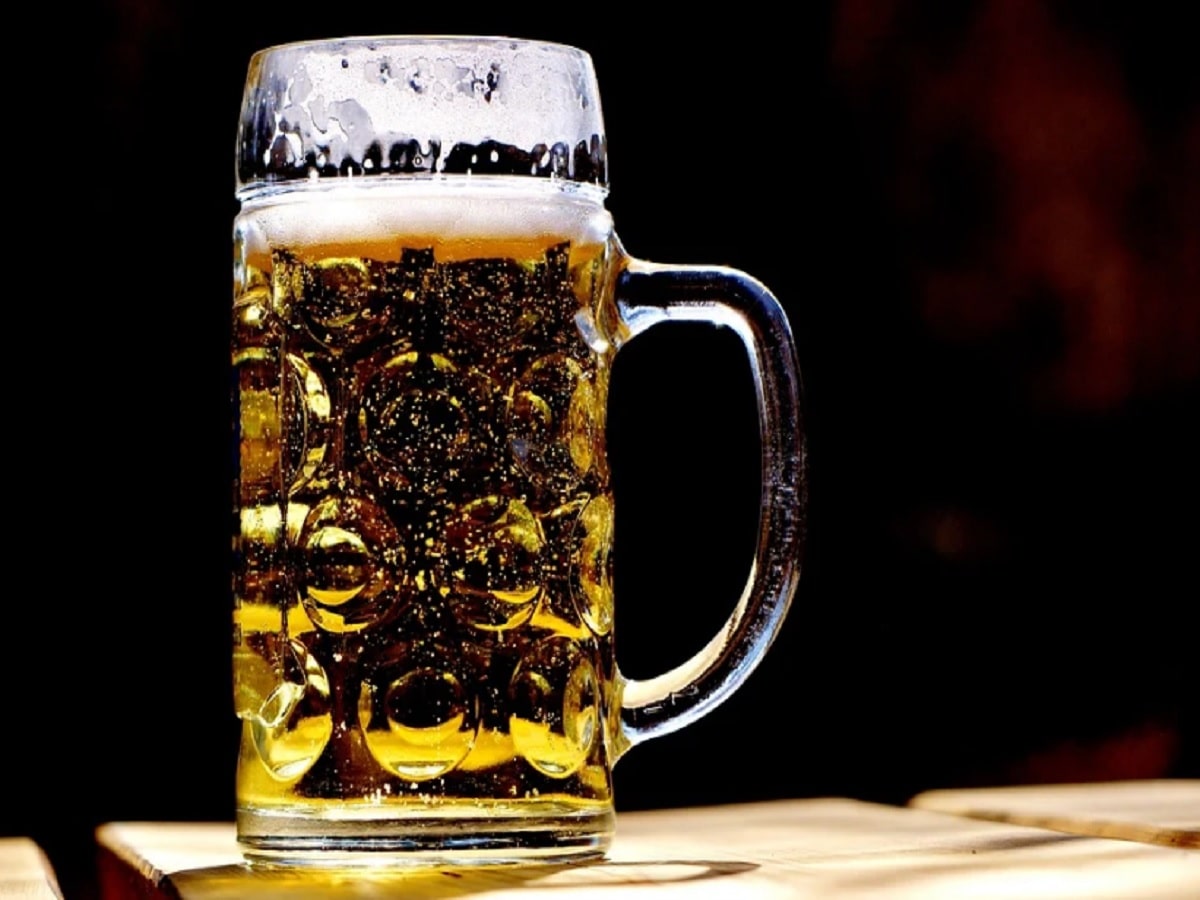
Alcohol use disorder, often referred to as alcoholism, is a serious chronic health condition characterized by a person’s inability to stop or control alcohol use despite severe adverse social, occupational, or health consequences.
Excessive, ongoing alcohol use can lead to significant health problems, including but not limited to liver damage, personal injuries, breathing problems, high blood pressure, heart disease, digestive problems, and even death.
According to researchers affiliated with the World Health Organization, it is estimated that 2.6 million deaths per year are attributable to alcohol consumption, which accounts for roughly 4.7% of all annual global deaths. With that in mind, anything that can reasonably reduce problematic alcohol use is a good thing.
A team of health investigators based in Canada and affiliated with the University of Victoria and Ottawa Inner City Health conducted a study examining whether cannabis is a viable substitute for alcohol use. The study’s findings were published in the International Journal of Drug Policy.
“Managed Alcohol Programs (MAPs) provide beverage alcohol alongside housing and social supports to mitigate alcohol-related harms among individuals experiencing severe alcohol use disorder (AUD) and unstable housing.” the researchers wrote. “Given the lower harm profile of cannabis, its integration into MAPs offers a promising avenue for further reducing alcohol-related harms. This study evaluates a novel cannabis substitution program within a Canadian MAP, leveraging the unique context of cannabis legalization and harm reduction programming.”
“The final model found evidence of a substitution effect: participants who used more cannabis on average also consumed less alcohol overall. Specifically, each additional 0.4-gram joint consumed (approximately 15.2 standard THC units or 76 mg THC) was associated with an estimated 2.43 fewer mean daily standard drinks.” the researchers found.
“This study highlights the potential for cannabis substitution to meaningfully reduce alcohol-related harms. Implications for program development and future research evaluating changes in health, wellbeing, and harm outcomes are discussed.” the researchers concluded.
The findings of this Canadian study build on previous research, including a clinical trial conducted in Germany, which found that cannabidiol (CBD) reduces alcohol cravings. The clinical trial findings were previously published in the journal Nature: Molecular Psychiatry.
“CBD’s capacity to reduce stress- and cue-induced alcohol craving and to normalize NAc activation – a region critical to the pathophysiology of AUD – contribute to understanding the neurobiological basis of its clinical effects and support its potential as a treatment option for AUD. Clinical Trials Registry: DRKS00029993.” the researchers concluded.
Separate studies have also suggested that CBD dosing can reduce cravings for tobacco, methamphetamine, and heroin, among other substances, according to a news release published by the cannabis advocacy organization NORML.