Clinical Trial: Cannabis Shows Comparable Efficacy To Lorazepam
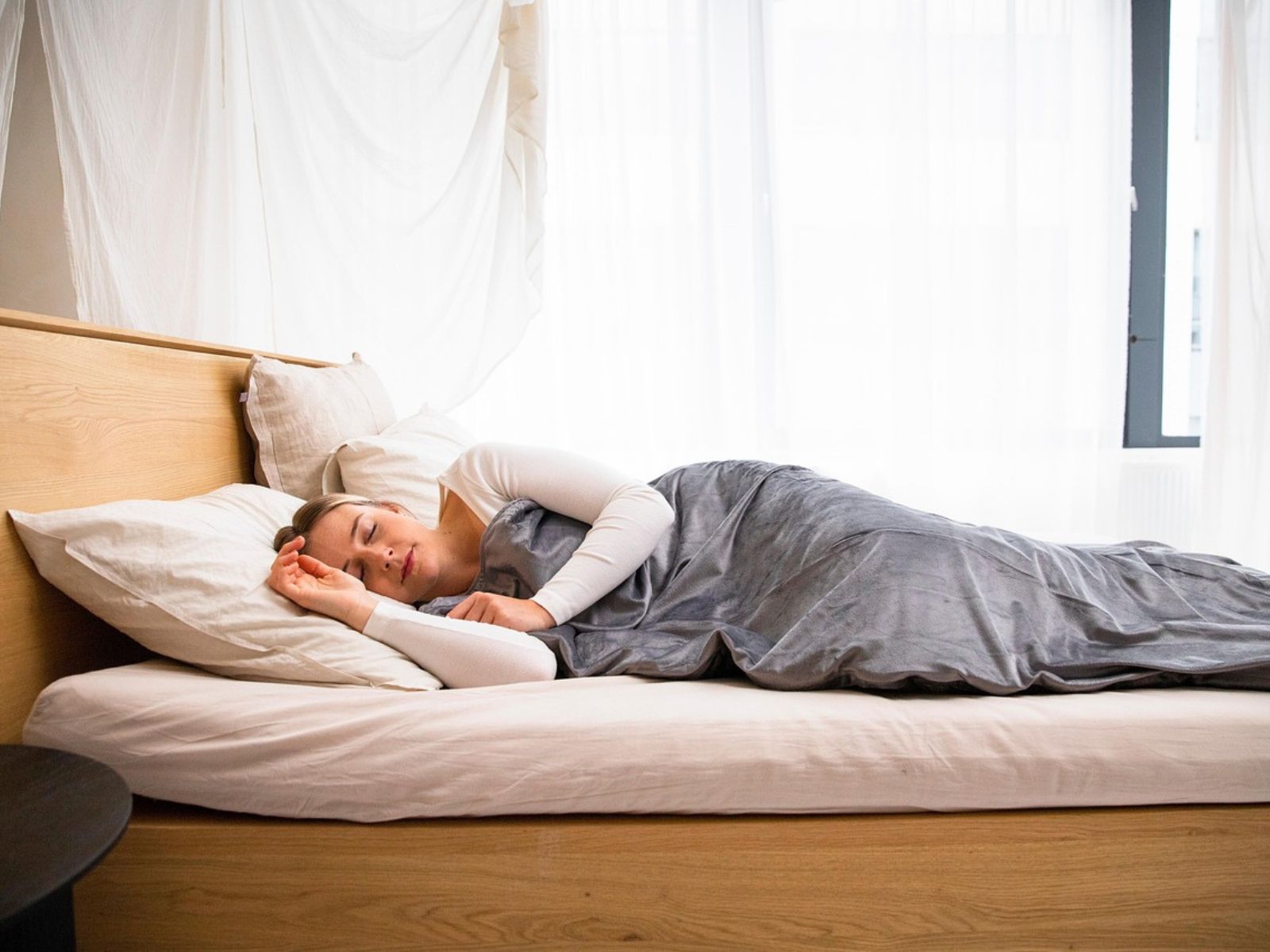
Insomnia is something that a lot of people around the globe struggle with. According to international researchers, as much as 16.2% of the world’s population suffers from the serious health condition. Globally, an estimated 7.9% suffer from ‘severe insomnia’, with health officials finding that insomnia and severe insomnia are “more prevalent in females versus males across all age groups.”
There are various treatments for insomnia, including pharmaceutical medications. One such medication is lorazepam, which is a benzodiazepine medication. It is often prescribed for people suffering from insomnia, and is also prescribed for treating other conditions like anxiety.
Lorazepam may be effective for some patients. However, it can yield undesirable side effects, including “life-threatening breathing problems, drowsiness, or coma if used along with certain medications,” according to MedlinePlus. Other potential side effects include dizziness, weakness, rashes, and yellowing of the skin or eyes.
A team of health investigators based in Thailand and affiliated with the Department of Thai Traditional Medicine, Faculty of Natural Resources, Rajamangala University of Technology Isan Sakon Nakhon Campus, recently conducted a clinical trial examining plant-derived cannabis formulations and lorazepam. Their findings were published in the journal Sleep Medicine.
The Thai researchers one of two plant-derived cannabis preparations or benzodiazepine lorazepam, at random, to 60 adult trial participants who were previously diagnosed with chronic insomnia. The trial participants consumed their assigned products before bedtime for four straight weeks.
Data from the clinical trial found that all three medications improved reported sleep quality, as measured by the Pittsburgh Sleep Quality Index. However, the plant-derived cannabis preparations yielded better improvements in the participants’ overall reported health-related quality of life.
“Our findings suggest that culturally rooted herbal remedies and regulated cannabis oil preparations may offer a holistic benefit profile by targeting both nocturnal symptoms and daytime well-being,” the researchers concluded. “Given the global push toward reducing benzodiazepine prescriptions due to safety concerns, the availability of validated herbal and cannabis-based alternatives is of high clinical value.”
The results of this clinical trial in Thailand build on prior research focusing on cannabis and insomnia, including a recent review conducted by health investigators in the United Kingdom. A team of researchers affiliated with various academic and wellness institutions based in the United Kingdom conducted a review examining medical cannabis use among UK insomnia patients. The review’s results were published in the academic journal PLOS Mental Health.
“This study aimed to assess changes in sleep-specific and general patient-reported outcome measures (PROMs) in individuals prescribed cannabis-based medicinal products for insomnia and to assess the incidence of adverse events. A case series was analysed with patients diagnosed with primary insomnia from the UK Medical Cannabis Registry (UKMCR).” the researchers wrote about the focus of their effort.
The patients who were part of the study had their outcomes assessed at the 1, 3, 6, 12, and 18-month timelines. The research efforts’ participants primarily consumed THC-dominant medical cannabis products.
Investigators found that medical cannabis use was associated with improved outcomes “across multiple metrics.” This included better-reported sleep quality, a reduction in reported anxiety, and improved health-related quality of life. Fewer than ten percent of participants reported any negative effects from cannabis use, with the most common reported side effects being dry mouth and fatigue.
“This case series study investigated the outcomes of insomnia patients prescribed cannabis-based medicinal products over an 18-month period. The findings indicate a promising association between cannabis-based medicinal product treatment and improvements in sleep-specific outcomes and general HRQoL [health-related quality of life] measures. … These findings can be used to inform future RCTs [randomized controlled trials].” the researchers concluded.