New Zealand Seed Project Aims To Boost Hemp Cultivation

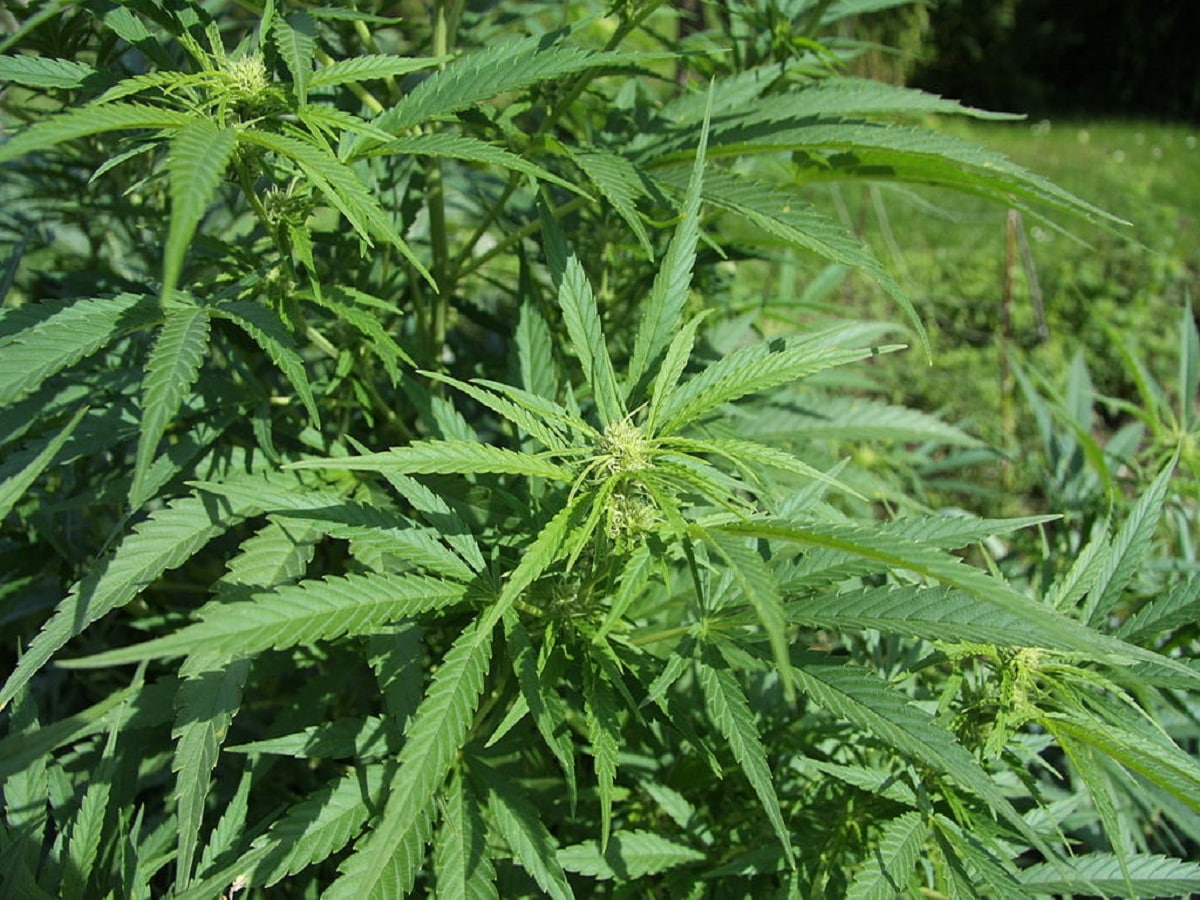
Thanks to regulatory reforms that took effect earlier this year in New Zealand that revoked the Misuse of Drugs (Industrial Hemp) Regulations 2006, a license is no longer required to cultivate hemp. Hemp is defined in New Zealand as containing 1% THC or less by dry weight. While cultivators are not required to obtain a license, they are still required to notify local authorities of their intent to cultivate hemp.
In addition to eliminating the license requirement to cultivate hemp in New Zealand, a requirement that was in place for two decades, the government’s list of approved hemp cultivars was also removed, paving the way for hemp cultivators to grow any cultivars that meet the 1% THC standard. Hemp was originally prohibited in New Zealand in 1928 as part of the implementation of the Dangerous Drugs Act, although hemp policy in New Zealand has undergone various evolutions since then.
The New Zealand Hemp Industries Association (NZHIA) has launched an effort to help aspiring hemp cultivators. The NZHIA Seed Project “was established to help make industrial hemp more accessible to everyday New Zealanders,” according to the organization.
“For the first time in 100 years, everyday New Zealanders have the opportunity to grow industrial hemp across Aotearoa on a non-commercial or small-scale basis through the NZHIA Seed Project.” NZHIA states on its website.
“From curious first-timers wanting to learn about this remarkable crop, through to people exploring its future commercial potential. The NZHIA Seed Project is making industrial hemp seed available to New Zealand growers.” the organization also states. “Growing industrial hemp in New Zealand comes with responsibilities. We’ve made the process easy to understand so you can get on with growing.”
Participating in the NZHIA Seed Project requires becoming a member of the organization and paying a fee. Other requirements include:
- Completing a Grower Information & Purchaser Declaration Form
- Reading and accepting the Seed Project, Privacy & Terms and Conditions documents
- Acknowledging the work the industry is doing to mitigate the pollen drift risk
- Reviewing the guidance and educational resources provided as part of the program
“Other forms of compliance and product quality standards will apply depending on the end use of your crop. Food (MPI – food control plan), Medicinal (GAP Good Agricultural Practices), Quality Control and meeting your end-use specifications will be important in how you use what you grow.” NZHIA states. “Guidance has been issued on the new regulations by the Ministry of Police, Ministry of Health and Ministry for Primary Industries.”