Albania Adopts Cannabis Industry Tracking Rules
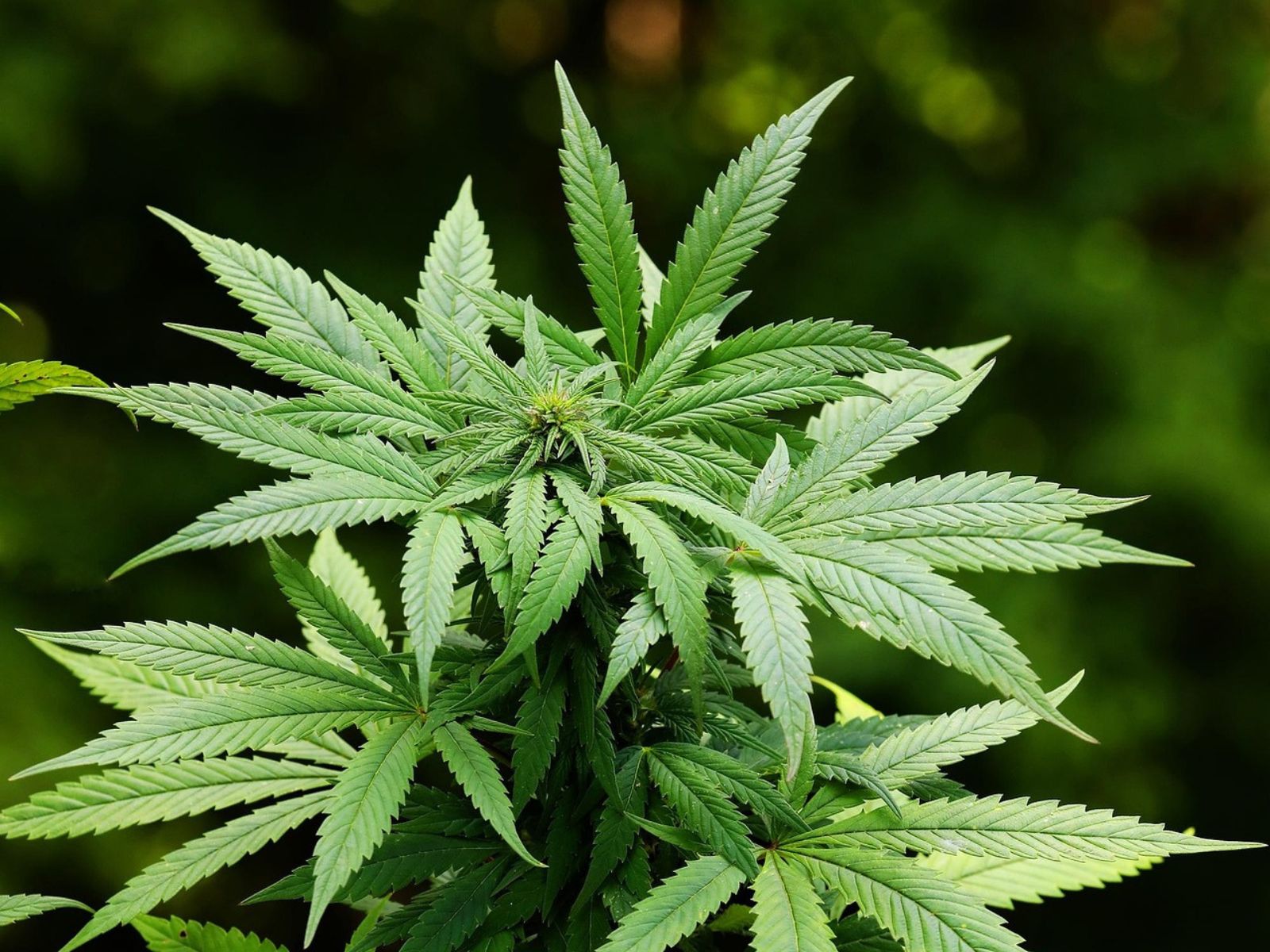
Albania’s government has adopted new rules for tracking and tracing the cannabis industry. Such rules are commonly referred to as ‘seed-to-sale’ tracking in many legal markets and are standard for emerging cannabis industries around the globe.
“The new framework establishes an oversight system covering the entire chain of activity from the import of seeds, seedlings and clones to cultivation, harvesting, drying, processing, storage, transportation and export. It also sets out procedures for the seizure, confiscation and destruction of cannabis-related materials.” reported Albanian Daily News in its local coverage.
In addition to seed-to-sale tracking and tracing, the new rules will allow authorities to conduct cannabis operation inspections more often, including non-scheduled inspections under certain conditions. Suspicions of any violation, such as failing to provide required reports, report discrepancies, or complaints from authorities, could trigger further investigation.
Another component of the new rules is allowing authorities to monitor cannabis operations’ 24-hour surveillance systems.
“The agency is expected to have real-time access to operators’ monitoring and security camera systems, with the rules providing for uninterrupted, 24-hour, seven-day access to CCTV systems,” Albanian Daily News wrote. “Remote inspections may also rely on telemetry systems, environmental sensors, alarm systems, unmanned aerial vehicles, satellite platforms and digital monitoring tools.”
Albania’s parliament approved a medical cannabis legalization measure in July 2023 by a 69-23 vote. The law created the ‘National Agency for the Control of Cannabis, ’ which was tasked with overseeing the nation’s legal medical cannabis industry.
Roughly two years later, Albania’s government approved the nation’s first legal medical cannabis cultivation licenses. The licenses permitted cultivation of up to 29,000 total hectares of cannabis across the country.